
How to Buy Restaurant Booths from China: A Custom Seating Guide
A practical guide to buying custom restaurant booths from China, covering dimensions, materials, production drawings, shipping, and installation.

A practical guide to buying custom restaurant booths from China, covering dimensions, materials, production drawings, shipping, and installation.

A practical guide to buying restaurant chairs from China, covering dimensions, materials, minimum order quantities, the ordering process, and warranty terms.
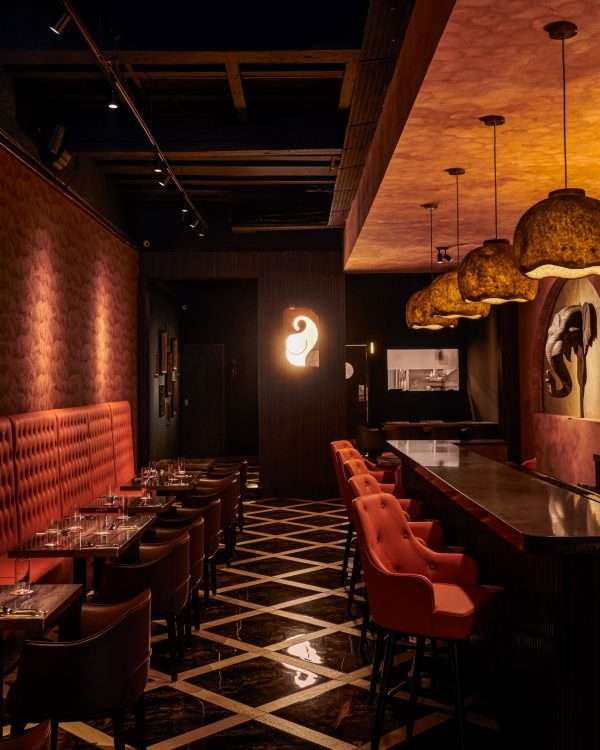
Buying restaurant furniture from China can give overseas buyers access to a wide range of products, customization options and competitive project pricing. However, a successful order depends on much more than simply comparing unit prices. Buyers also need to confirm
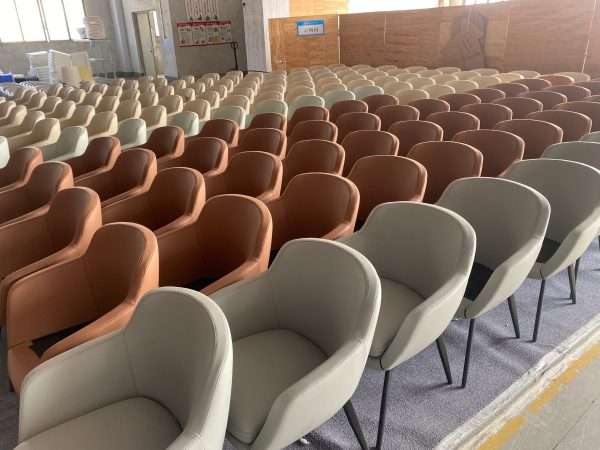
Learn how a custom hospitality furniture project progresses from an initial reference image and quotation to material confirmation, production, quality inspection, export packaging and delivery.
Hotel furniture is a high-stakes procurement decision that shapes guest satisfaction scores, brand positioning, and long-term operating costs. This guide covers the global hotel furniture market, what “contract grade” actually means, area-by-area specification strategy, material selection, sustainability requirements, and a
Opening a restaurant is one of the most exciting—and demanding—entrepreneurial paths you can take. This guide covers the most critical decisions every first-time restaurateur must make before unlocking the doors: concept and market research, realistic budgeting, location strategy, licensing, staffing,

Discover the latest trends in hospitality furniture for 2026, focusing on sustainability, modular designs, technology integration, and more.
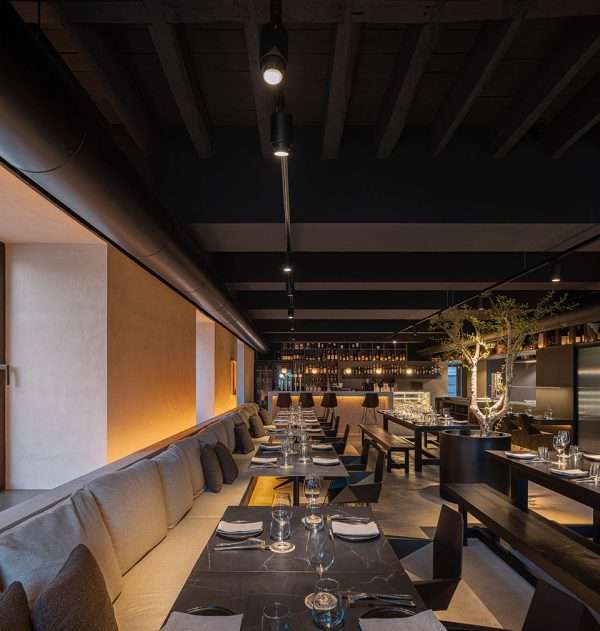
Calculate restaurant covers by dividing net seating area by 1.4–1.7 m² per cover (fast-casual to casual dining). Net seating area = gross floor area minus service areas (8–12%), circulation, and reception. A 120 m² restaurant yields 48–59 covers. Each additional
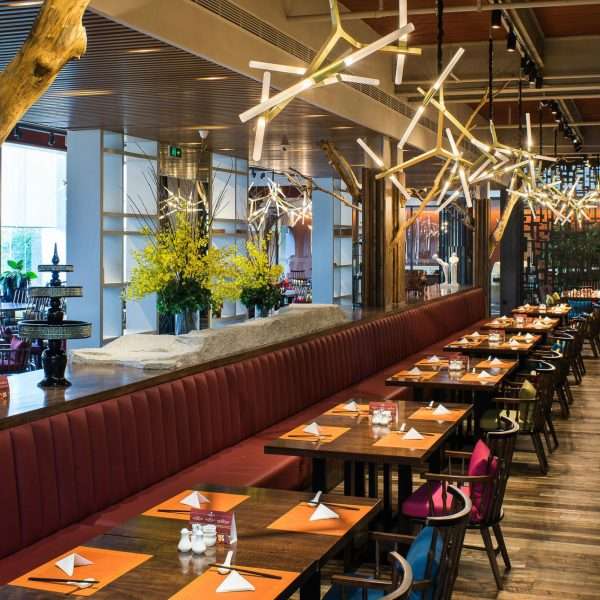
Powder coat (50–80 microns over phosphate primer) is the standard metal finish for commercial hospitality furniture. Wood frames use catalyzed lacquer or UV-cured polyurethane for commercial durability. Upholstery minimum: 100,000 double rubs Martindale; commercial vinyl minimum 300,000 double rubs. All
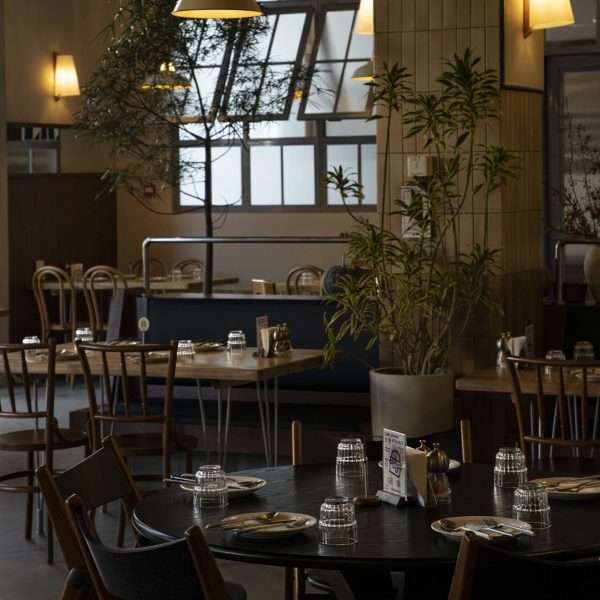
Contract-grade cafe furniture is tested to 250,000 sit-cycles (BIFMA x5.4) vs. 25,000 for residential. A $90 contract chair lasting 7 years costs less over time than a $45 retail chair replaced every 2 years ($112.50 over 5 years). Contract furniture
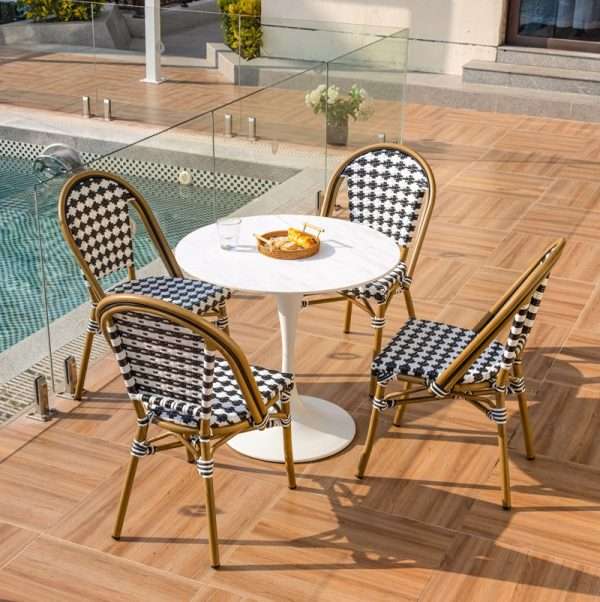
The best outdoor restaurant furniture materials by climate: aluminum frames (all climates; 6061 alloy for coastal), Grade A FSC-certified teak (15–25 year lifespan, no treatment needed), HDPE synthetic wicker over aluminum frames (not steel), and outdoor-rated HPL compact tabletops (12–13
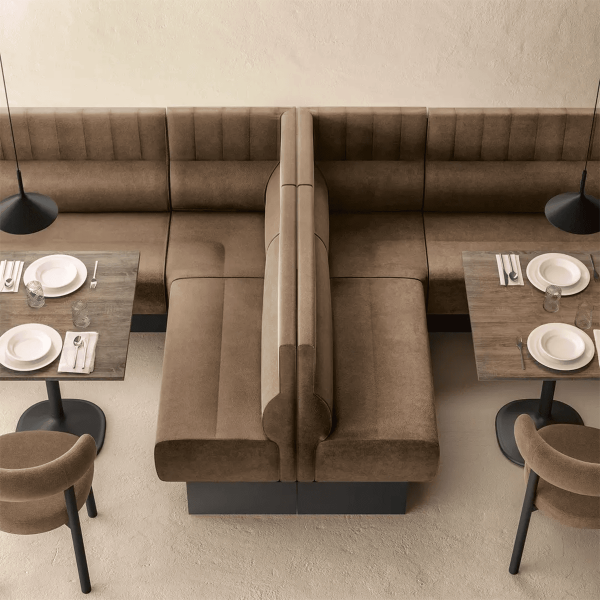
Restaurant booth seating should use 9-ply birch plywood frames, 2.0 lb/ft³ foam (35 ILD), and 100,000+ double rub upholstery. Standard seat depth is 45–50 cm; back height 90–105 cm. Booth seating achieves 15% higher cover density than table-and-chair layouts. Budget