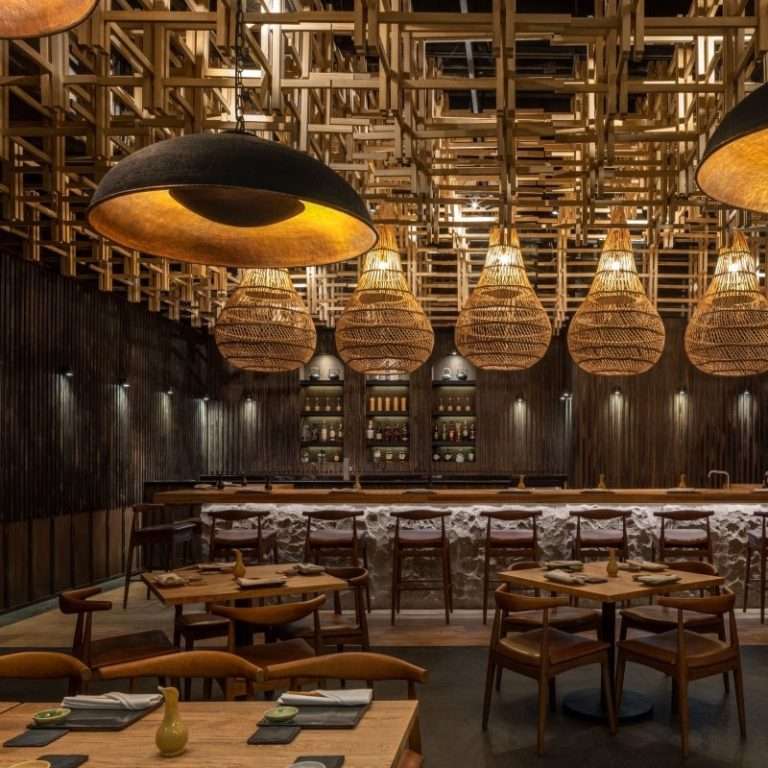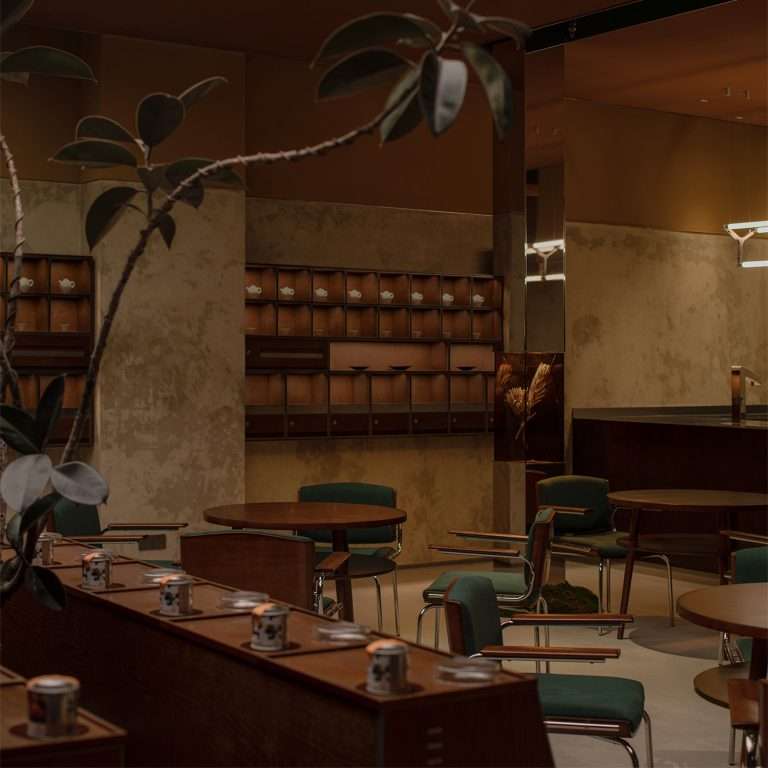


Trend 1: Tactile Materiality—Texture Over Gloss
The era of polished, high-gloss cafe interiors is giving way to raw, touchable surfaces. Brushed steel, honed stone tabletops, unfinished oak, and matte ceramic tile feature prominently in café openings across Melbourne, Copenhagen, and New York’s specialty coffee scene. Furniture follows: chairs with visible grain, tables with micro-textured powder coats, and stools with hand-stitched leather seat pads.
For procurement teams, this trend demands careful supplier selection. ‘Raw’ finishes must still meet commercial durability standards—exposed wood needs an invisible penetrating oil finish (Rubio Monocoat or equivalent) rather than no finish at all. Untreated surfaces absorb spills instantly in café environments and become unsanitary within weeks.
The aesthetic payoff is significant: textured surfaces photograph better under natural light, which drives organic social media content from customers. Several independent roasters report a measurable uptick in Instagram-sourced walk-ins after redesigning with tactile furniture.
Trend 2: Modular and Flexible Seating Configurations
Fixed banquettes and rigid table layouts are losing ground to modular systems that let café operators reconfigure their floor plan for different dayparts. Morning rush demands efficient counter seating; afternoon laptop culture needs individual tables with power access; weekend brunch calls for grouped four-tops.
Modular sofa systems with reconfigurable sections (typically 60 cm modules), lightweight side chairs under 4.5 kg, and tables with folding or nesting capability are the workhorses of this approach. Scandinavian manufacturers like Muuto and Menu have driven this category commercially, but factory-direct suppliers from Vietnam and China now offer comparable modularity at 40–60% lower cost.
Key specification point: modular upholstered pieces in café settings need removable, washable covers or commercial-grade wipeable upholstery. A modular sofa that requires dry cleaning every quarter is operationally impractical for most independent operators.
Trend 3: Warm Minimalism Replacing Cold Minimalism
The Kinfolk-era all-white café with bare concrete floors is being replaced by ‘warm minimalism’—similarly restrained in clutter but built from honey-toned timbers, terracotta tiles, and aged brass hardware. The furniture palette shifts from black steel and white oak to natural walnut, rattan accents, and warm grey upholstery.
This trend has direct commercial implications: walnut veneer costs 3–4× more than oak, so savvy operators specify walnut-look laminate for tabletops (where it’s subjected to heavy wear) and reserve solid timber for visible structural elements like chair frames and bench bases.
Brass hardware on chairs and tables—previously reserved for high-end restaurants—is now accessible through contract manufacturers producing brushed antique brass powder-coat finishes that mimic real brass at 60–70% lower cost with superior scratch resistance.
Trend 4: Outdoor-Indoor Continuity
Following pandemic-era outdoor expansion, cafés are now investing in outdoor furniture that matches the visual quality of their interiors rather than defaulting to generic patio seating. The 2026 direction is weather-resistant materials styled to look like interior pieces: powder-coated aluminum chairs with rattan-effect weave backs, teak or FSC-certified eucalyptus tables with the same profile as indoor variants, and outdoor cushions in commercial-grade acrylic fabrics (Sunbrella or equivalent).
The practical requirement is a clear indoor-outdoor furniture strategy from the outset of a refurbishment project. Specifying both ranges from the same supplier allows for visual consistency and typically reduces logistics complexity. Some manufacturers offer identical chair silhouettes in indoor and outdoor-rated versions—this ‘family’ approach is worth prioritizing during supplier selection.
Trend 5: Sustainability Signals Through Material Choice
Environmental credentials are becoming a visible part of café brand identity, and furniture is one of the most legible signals to customers. FSC-certified wood, recycled aluminum frames, and upholstery fabrics made from recycled PET bottles are increasingly standard requests in 2026 procurement briefs.
Important caveat: sustainability claims require documentation. Request FSC or PEFC chain-of-custody certificates for timber, Global Recycled Standard (GRS) certification for recycled-content fabrics, and factory audit reports for any supplier making broad environmental claims. Greenwashing in the furniture supply chain is widespread.
From a cost perspective, certified sustainable materials typically add 8–15% to unit price but provide documented proof for brand marketing and, increasingly, for ESG reporting requirements affecting hospitality chains.
Conclusion
The 2026 café furniture landscape rewards operators who align material choices with their brand identity, build in operational flexibility, and verify sustainability claims with documentation. Each trend above represents a direction, not a mandate—the strongest café interiors combine two or three of these directions with internal consistency.
Explore our curated range of contract-grade café furniture reflecting current aesthetic trends, with options across all price tiers and MOQ levels.
Frequently asked questions
What certifications prove sustainable sourcing for cafe furniture?
FSC or PEFC chain-of-custody certificates for timber, Global Recycled Standard (GRS) for recycled-content fabrics, and third-party factory audit reports for broader environmental claims.
How much does modular cafe furniture cost vs. fixed banquettes?
Factory-direct modular sofa systems from Vietnam or China cost 40–60% less than Scandinavian equivalents while offering comparable modularity. Key spec: removable washable covers or commercial-grade wipeable upholstery.
What finish is used for brushed steel cafe furniture?
Matte or satin powder coat (60–80 microns minimum) over a phosphate-treated steel frame. Request a 500-hour salt-spray test result for any cafe near kitchen steam.