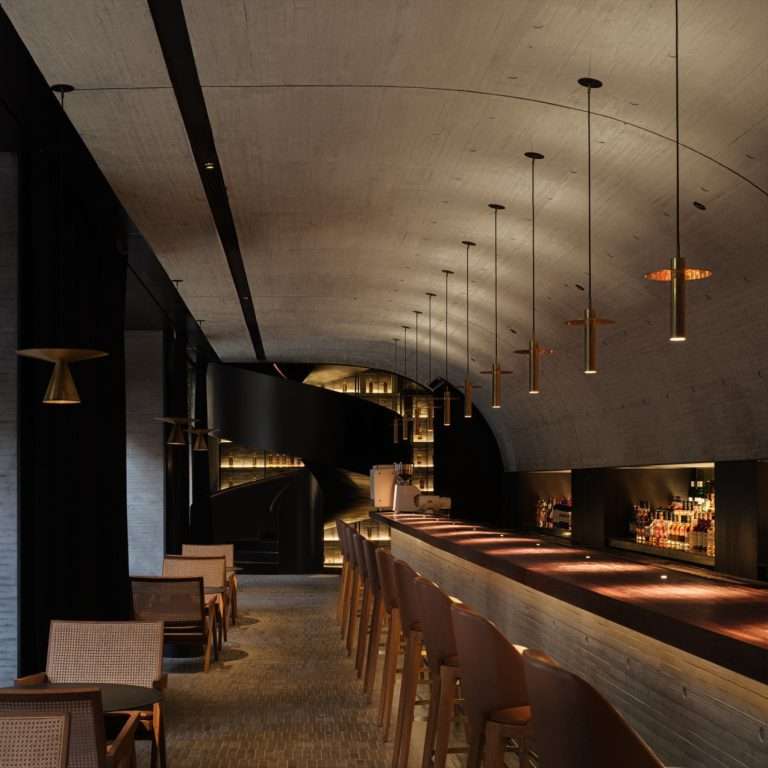


What is the correct seat height for counter vs. bar stools?
Commercial bar stools fall into two standard height categories, defined by the surface they’re paired with. Counter height stools have seat heights of 60–65 cm (24–26 inches), designed for surfaces 85–90 cm (33–36 inches) high—standard for commercial kitchen pass-throughs, café bars, and casual dining counters. Bar height stools have seat heights of 70–76 cm (28–30 inches), designed for surfaces 100–107 cm (40–42 inches) high—standard for traditional bar counters, cocktail bars, and raised pub tables.
The critical specification rule is that the gap between seat top and surface underside should be 25–30 cm (10–12 inches) for comfortable seating. This gap allows customers to rest their arms on the counter without hunching or reaching upward. Deviations of more than 3 cm from this range create visible discomfort that reduces dwell time.
A common procurement mistake is selecting stools before confirming finished counter height. Countertop material thickness, base build-up, and substrate can add 3–6 cm to nominal counter height. Always measure the installed counter surface before specifying stool seat height.
What is the ideal footrest height for commercial bar stools?
Footrests are the most overlooked ergonomic element in bar stool specification. Without footrest support, seated customers must either let their feet dangle (tiring after 15–20 minutes) or adopt an awkward posture. For commercial venues targeting 45+ minute dwell times—cocktail bars, hotel lobby bars, specialty coffee counters—footrest design directly affects customer comfort and return visits.
Optimal footrest height is 15–20 cm above floor level, which supports a natural 90° knee angle for most adults when seated at standard bar height. Fixed ring footrests (a horizontal ring welded around all four legs) are more stable and durable than individual rail footrests on two legs; they also provide multiple comfortable foot positions.
Rubber footrest protection is essential. Bare steel footrests reflect shoe soles and damage both footwear and the stool finish over time. Specify rubber or neoprene footrest caps, or stools with footrests wrapped in black powder coat over a rubber base layer. This detail is small but dramatically affects the customer experience and the long-term appearance of the stool.
What seat width and swivel specifications work best for commercial bars?
Seat width for commercial bar stools should be 40–45 cm at the widest point for most body types. Narrower seats (under 38 cm) compromise comfort during longer service periods; wider seats (over 48 cm) reduce the number of covers possible at a given counter length. For a 3-meter counter, 45 cm seats allow 6 covers; 38 cm seats allow 7—a single cover difference that matters in high-rent urban venues.
Swivel stools increase flexibility and make entering and exiting easier, but introduce mechanical complexity. Swivel mechanisms should be rated for commercial use (look for 360° continuous rotation tested to 100,000 cycles minimum). Avoid stools with tension-adjustable swivel mechanisms designed for office chairs—these loosen quickly under commercial use patterns.
Backrest or no backrest is a design and comfort decision. Backless stools allow more flexible positioning, stack easier (reducing storage footprint), and suit shorter-dwell casual venues. Low-back stools (back height 15–25 cm above seat) improve comfort without the visual bulk of full-back designs and are a common choice for hotel bars and upscale cocktail venues.
Material Durability in Bar Environments
Bar environments subject furniture to specific stresses: spilled alcoholic beverages (acidic, can damage finishes), repeated contact with clothing (abrasion), high-footfall cleaning routines, and customers using stools as step stools to reach higher shelving (exceeding rated load capacity).
For bar stools, specify: steel or aluminum frames with a minimum 60-micron powder coat or chrome plating; seat upholstery in genuine leather, commercial vinyl, or Ultrasuede (all withstand alcohol spills and regular disinfection); footrests protected from shoe abrasion; and leg tips made from hard rubber or nylon rated for your floor type.
Avoid natural rattan, fabric-upholstered seats without stain-resistant treatment, and chrome-plate finishes thinner than 15 microns in high-humidity bar environments. Thin chrome plating blisters and pits within 12–18 months in venues where condensation from chilled glasses is constant.
How to Order: Measurement Checklist
Before placing any bar stool order, complete this measurement checklist: (1) Measure installed counter or bar surface height from floor to top surface in three locations (surfaces vary). (2) Subtract 25–28 cm to determine the maximum seat height. (3) Confirm floor type and order appropriate leg tip material. (4) Measure available linear counter space and divide by desired stool spacing (typically 55–65 cm center-to-center) to determine quantity. (5) Check doorway and stairwell clearances if stools need to be moved for cleaning or events.
For venues with mixed counter heights (café bar and dining counter in the same space), specify a clear color or material distinction between stool types to help staff direct customers to appropriate seating and prevent customer frustration from sitting at the wrong height.
Conclusion
Bar stool specification is precision work: a 5 cm error in height creates persistent customer discomfort, and material choices have a direct impact on maintenance cost and service longevity. Measure before ordering, verify footrest ergonomics, and specify materials matched to your venue’s service intensity. Browse our commercial bar stool range in counter and bar heights, with options for swivel, fixed, with-back, and backless configurations.
Frequently asked questions
What is the standard bar stool height for a commercial bar?
Bar-height stools have 70–76 cm seat heights, paired with 100–107 cm bar surfaces. The gap between seat top and surface underside should be 25–30 cm.
What is the standard counter stool height?
Counter-height stools have 60–65 cm seat heights, designed for 85–90 cm surfaces (café bars, kitchen pass-throughs). Deviations of more than 3 cm from the 25–30 cm seat-to-surface gap create visible customer discomfort.
What is the optimal footrest height for bar stools?
15–20 cm above floor level, supporting a natural 90° knee angle. Fixed ring footrests are more stable and durable than individual two-leg rail footrests.
Should commercial bar stools swivel?
Swivel stools improve ease of entry/exit but require commercial-rated mechanisms (360° continuous rotation, 100,000-cycle minimum). Avoid office-chair tension adjustment mechanisms — they loosen quickly under commercial use.
How many bar stools fit at a commercial counter?
Allow 55–65 cm center-to-center spacing per stool. A 3-meter counter accommodates approximately 5–6 stools at 55 cm spacing.